
illuminated wall mirror
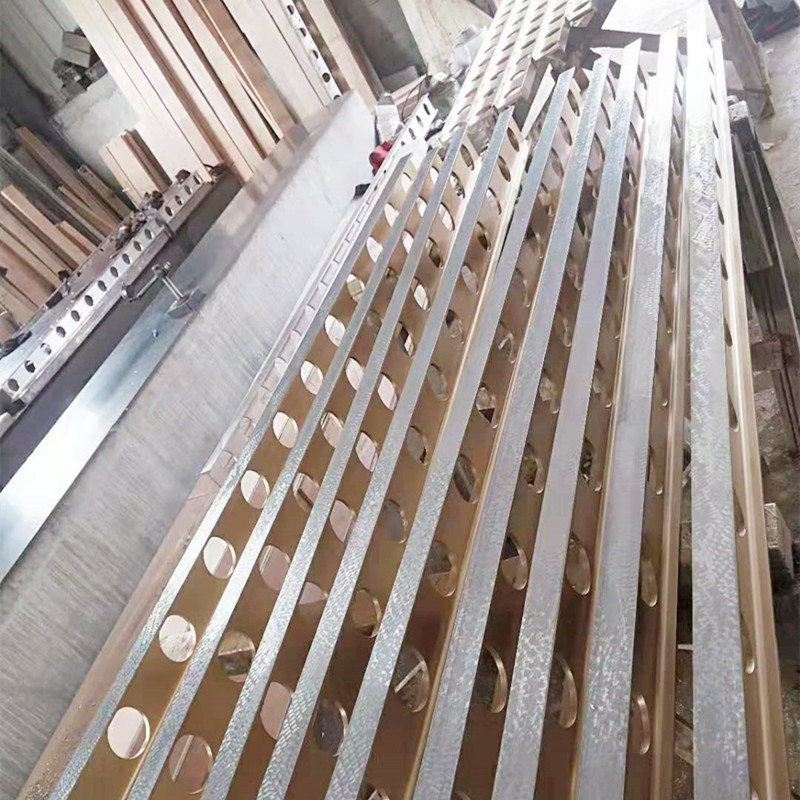
Understanding the Uses of Magnetic V Blocks Magnetic V blocks are essential tools in a wide array of machining, fabrication, and assembly processes. They combine the functionality of traditional V blocks, which are designed to hold cylindrical objects, with a powerful magnetic base that offers precision and stability. This article delves into the various applications, benefits, and considerations of using magnetic V blocks in different industries. What are Magnetic V Blocks? Magnetic V blocks are specialized devices that feature a unique V-shaped groove, enabling them to securely hold round or cylindrical workpieces. The magnetic base ensures that the block adheres firmly to the work surface, providing stability during machining or inspection processes. They are typically made from high-quality steel or cast iron, designed to endure rigorous mechanical operations. Applications in Machining and Fabrication 1. Precision Hold for Machining One of the primary uses of magnetic V blocks is in machining operations. They are instrumental in securely holding pieces while milling, drilling, or grinding. The magnetic grip allows for quick setup and repositioning, significantly reducing downtime and improving workflow. 2. Inspection and Measurement In quality control processes, magnetic V blocks are invaluable. They provide a stable platform for measuring instruments, ensuring that measurements are accurate and reliable. Whether you're using calipers, micrometers, or dial indicators, the secure hold reduces the risk of movement that could compromise data. 3. Welding Applications In welding, magnetic V blocks enable fabricators to position components accurately. The strong magnetic hold allows operators to concentrate on welding without worrying about misalignment, ensuring cleaner welds and stronger joints. This is particularly useful in pipe and tube fabrication, where precision is paramount. magnetic v block uses 4. General Assembly Operations In assembly lines, magnetic V blocks can assist in holding parts in place while they are fastened or connected. They streamline the assembly process, allowing for quick adjustments and reducing the chance of errors, particularly in high-volume manufacturing environments. Benefits of Using Magnetic V Blocks - Efficiency The magnetic feature allows for rapid setup and adjustments, saving valuable time in production processes. - Precision The stability provided by the magnetic hold enhances accuracy, leading to better quality outcomes in machining and assembly. - Versatility Magnetic V blocks can be used across various materials and applications, making them an indispensable tool in multiple industries such as automotive, aerospace, and manufacturing. - Ease of Use With simple on/off switches to activate or deactivate the magnet, these blocks are user-friendly and safe, even for operators with minimal training. Considerations When Using Magnetic V Blocks While magnetic V blocks offer numerous advantages, there are factors to keep in mind for optimal use - Surface Material Magnetic V blocks adhere best to ferromagnetic surfaces. On non-magnetic surfaces, their effectiveness diminishes. - Load Capacity Each magnetic V block has a specific load capacity. It’s crucial to ensure that the workpiece weight stays within the limits to avoid slippage or damage to the block. - Maintenance Regular maintenance and cleaning of magnetic surfaces are essential to maintain the strength of the magnetic hold and prevent debris accumulation that could affect performance. Conclusion Magnetic V blocks are an essential component in many engineering and manufacturing processes. Their ability to securely hold round objects while allowing for precise machining and measurement enhances productivity and accuracy across various applications. As technology advances and industries demand greater precision and efficiency, the reliance on tools like magnetic V blocks will likely continue to grow. Understanding their uses, benefits, and best practices ensures that operators can maximize the potential of these versatile tools, leading to better quality products and streamlined operations. Whether in a machine shop, assembly line, or inspection lab, magnetic V blocks are tools that facilitate precision and efficiency in today's fast-paced industrial landscape.
about
illuminated wall mirror
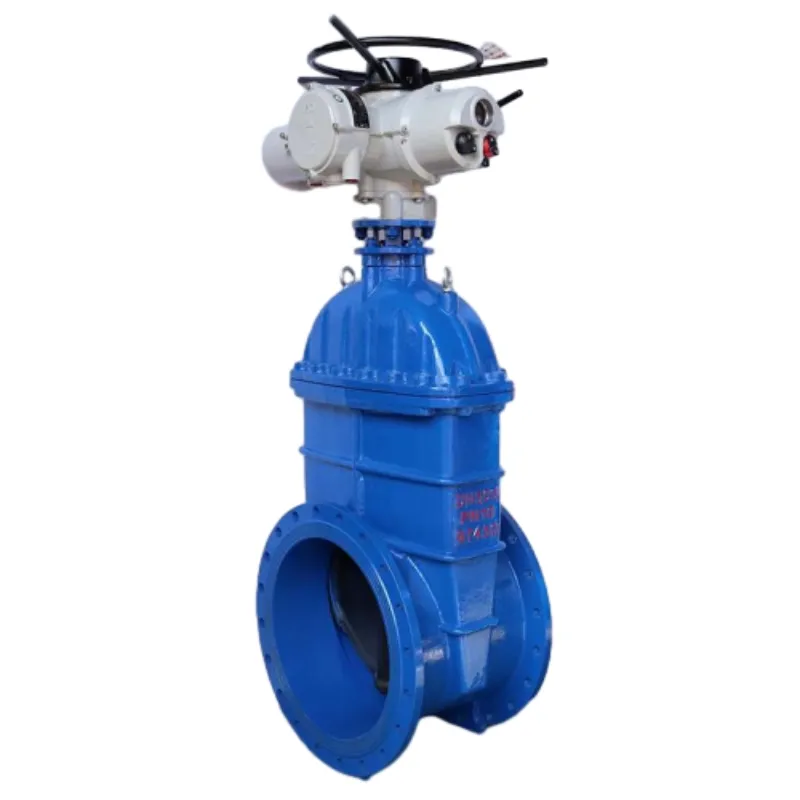
How to Turn Off the Main Water Valve Turning off the main water valve in your home is an essential skill every homeowner should possess. Whether you're facing a plumbing emergency, like a burst pipe or a significant leak, or you simply need to carry out repairs, knowing how to effectively shut off the main water supply can save you from costly damage. Here’s a comprehensive guide on how to locate, turn off, and understand the significance of your main water valve. Understanding the Main Water Valve The main water valve serves as the primary shut-off point for your home’s water supply. It controls the flow of water from the municipal supply or your well, and when turned off, it stops the water from entering your home’s plumbing system. This valve is typically located close to where the water line enters your home, which could be in a basement, crawl space, or near the foundation. Locating Your Main Water Valve Before you can turn off the main water valve, you first need to find it. In most homes, the valve is located 1. In the Basement or Crawl Space If your home has a basement, check near the wall that faces the street or near the floor where the water line enters. In a crawl space, look for the valve close to the ground and accessible without too much difficulty. 2. Outside In some homes, particularly those without basements, the main water valve may be located outside, often near the foundation . This could be in a small pit covered by a metal or plastic lid. 3. Utility Areas Some homes have their main water valve in utility rooms or laundry areas. Check behind appliances or fixtures like washing machines. how to turn off main water valve Turning Off the Main Water Valve Once you've located the valve, it’s time to turn it off. The process generally involves the following steps 1. Identify the Type of Valve There are two primary types of valves—gate valves and ball valves. A gate valve typically has a round handle and requires you to turn it clockwise until it is tight. A ball valve has a lever-style handle that needs to be turned perpendicular to the pipe, essentially perpendicular to the water flow. 2. Turn Off the Valve - For a gate valve, grab the handle and turn it clockwise until it can no longer turn. - For a ball valve, switch the lever 90 degrees so that it is perpendicular to the pipe. 3. Check for Leaks After turning off the valve, check faucets in your home to ensure the water supply has indeed been cut off. This step is crucial, especially if you’re preparing for plumbing work. Why is This Important? Knowing how to turn off your main water valve is vital for several reasons. First, it can help minimize water damage in case of an emergency. A burst pipe can release a significant amount of water in a short time, leading to structural damage and costly repairs. Additionally, shutting off the main valve is essential during severe weather, such as freezing temperatures, to prevent pipes from bursting due to expansion of ice. Conclusion In summary, being able to turn off the main water valve is a critical skill for any homeowner. It allows you to respond quickly to plumbing emergencies, reduces the risk of water damage, and prepares you for maintenance work on your plumbing system. Take a few moments to locate your valve, familiarize yourself with its operation, and practice turning it off. By doing so, you’ll be better prepared to protect your home and manage plumbing issues effectively.
-

High quality industrial productsagement

High quality industrial products
View Details -

Meet the diverse needs of customers

Meet the diverse needs of customers
View Details -

Strict quality control

Strict quality control
View Details -

Top raw materials

Top raw materials
View Details -

Trusted supplier

Trusted supplier
View Details
Our application

news and information

Válvula borboleta 250mm
Válvula Borboleta de 250mm Eficiência e Versatilidade em Sistemas de Fluídos As válvulas borboleta t
Water Flow Control Using Valve Mechanisms for Efficient Management
The Importance of Valve Water Management in Modern Industry In today's industrial landscape, effecti
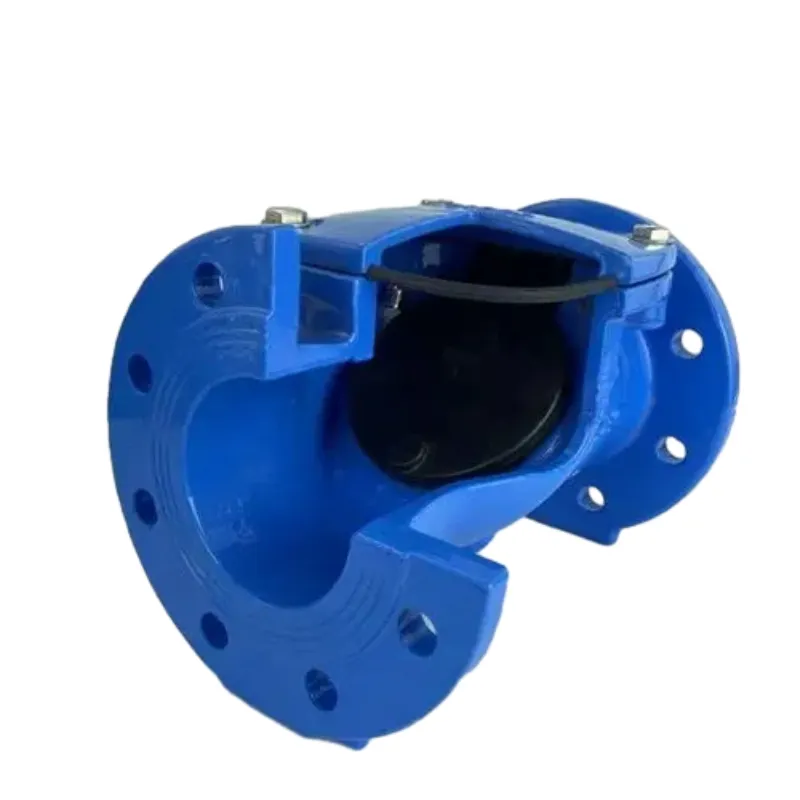
Vanne de retenue à boule de 1% pour une performance optimale du système hydraulique
1 ball check valve .
 English